Blackwell’s Island Asylum (New York)
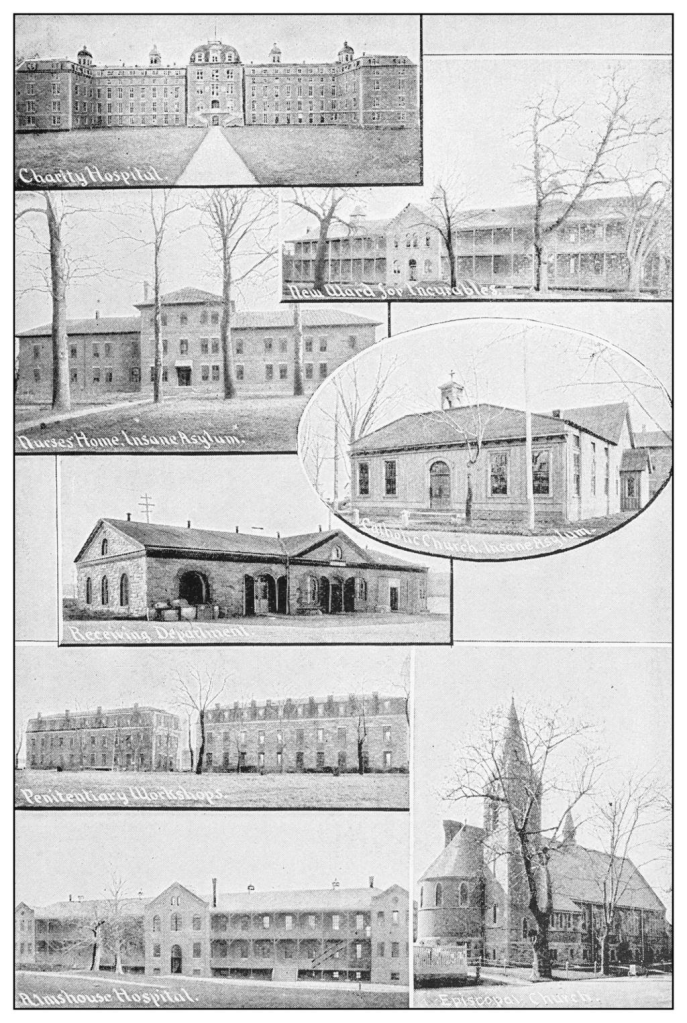
The Blackwell’s Island Lunatic Asylum gained national attention when journalist Nellie Bly went undercover there in 1887. Her experience inside the institution was later published in Ten Days in a Mad-House, exposing overcrowding and poor conditions and sparking widespread calls for reform.
Trans-Allegheny Lunatic Asylum (West Virginia)
This enormous stone structure began construction in 1858 and followed the Kirkbride Plan, an architectural design meant to provide patients with sunlight, ventilation, and calm surroundings believed to aid recovery. The building eventually became one of the largest hand-cut stone structures in the United States. Today it operates as a historic site and museum where visitors can tour the wards and corridors.

Danvers State Hospital (Massachusetts)
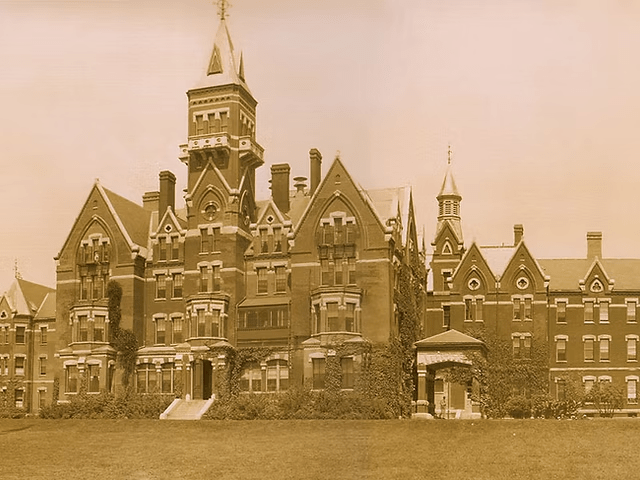
Opened in 1878, Danvers State Hospital became one of the most recognizable asylum buildings in the United States due to its dramatic Gothic-style architecture. Built using the Kirkbride design, the hospital was intended to create a therapeutic environment with large windows and open grounds. Over time, however, overcrowding changed the conditions inside the facility.
Athens Lunatic Asylum (Ohio)
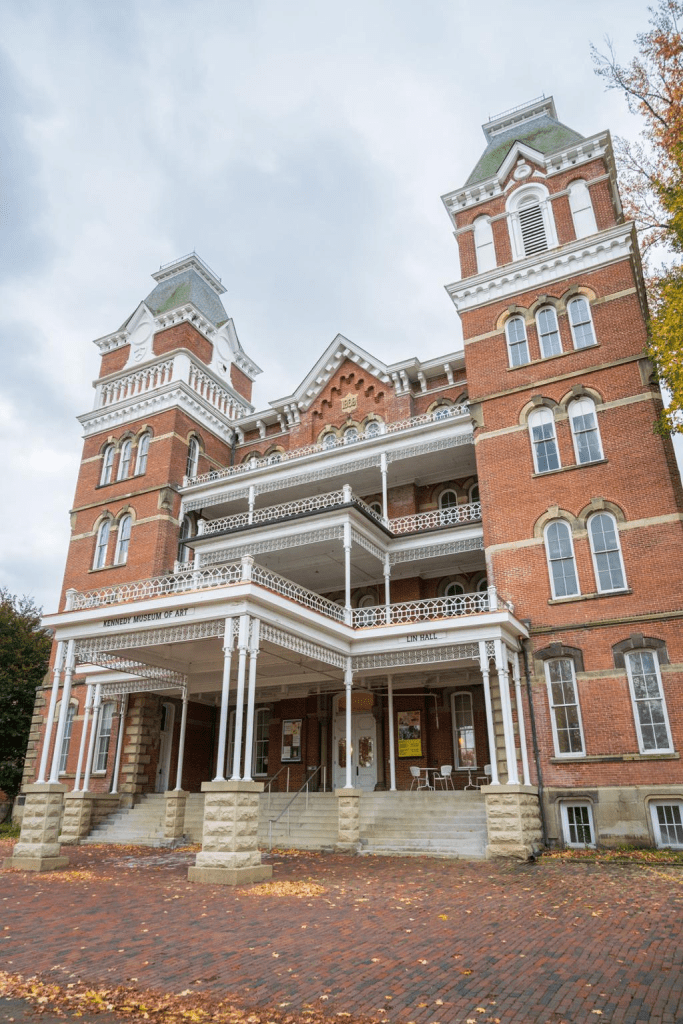
Opened in 1874, the Athens Lunatic Asylum served southeastern Ohio for more than a century. The hospital later became known as The Ridges and today is part of Ohio University. The large brick Kirkbride building remains one of the most recognizable historical structures connected to mental health care in the region.
Famous Asylums of the 19th Century
During the 19th century, mental institutions were built across the United States and Europe as part of a growing movement to treat mental illness in specialized facilities. While some institutions attempted to follow progressive ideals of care, many became overcrowded as patient populations increased.
Several of these institutions became especially well known due to their size, architecture, or the historical stories associated with them.
Trans-Allegheny Lunatic Asylum — Weston, West Virginia
Construction of the Trans-Allegheny Lunatic Asylum began in 1858 and continued for many years, eventually creating one of the largest hand-cut stone buildings in North America. Designed following the Kirkbride Plan, the hospital was intended to provide patients with fresh air, sunlight, and structured daily routines believed to promote recovery.
Originally built to house about 250 patients, the institution eventually held well over 2,000 residents at its peak in the mid-20th century. Today, the building is preserved as a historic site where visitors can tour the wards and learn about the complex history of mental health treatment in the United States.
During my own visits to the Trans-Allegheny Lunatic Asylum, the sheer size of the building and the long corridors lined with patient rooms made the history feel incredibly real. Standing inside those spaces makes it easier to imagine the lives of the people who once lived there.
Danvers State Hospital — Danvers, Massachusetts
Opened in 1878, Danvers State Hospital was another large institution designed using the Kirkbride architectural model. Its striking Gothic-style structure quickly became one of the most recognizable asylum buildings in America.
Like many institutions of its time, Danvers was originally created with therapeutic intentions. Over time, however, overcrowding and evolving medical practices dramatically changed the conditions within the hospital. The building became widely known in American cultural history and later gained a reputation as one of the most iconic abandoned asylums before its redevelopment in the early 2000s.
Blackwell’s Island Lunatic Asylum — New York, New York
Located on what is now Roosevelt Island in New York City, the Blackwell’s Island Lunatic Asylum opened in the mid-19th century to house patients from the growing city population. The institution gained national attention after journalist Nellie Bly famously went undercover there in 1887.
Her experience inside the institution was later published in Ten Days in a Mad-House, which exposed severe overcrowding and mistreatment of patients. Her reporting helped spark public outrage and led to reforms in the oversight of mental institutions.
Athens Lunatic Asylum — Athens, Ohio
Opened in 1874, the Athens Lunatic Asylum—later known as The Ridges—served as the main psychiatric hospital for southeastern Ohio for more than a century. Like many institutions of the era, it followed the Kirkbride architectural model designed to maximize sunlight and fresh air for patients.
The hospital operated until the late 20th century and is now part of the campus of Ohio University. The historic buildings remain a powerful reminder of the evolution of mental health treatment in the United States.
Why These Institutions Still Fascinate Us
Historic asylums continue to capture public interest because they represent an important and often misunderstood chapter in medical history. They remind us how society once approached mental illness and how dramatically those attitudes have changed.
For writers and historians, these places also hold countless human stories—stories of patients, doctors, families, and communities shaped by the institutions that once stood at the center of mental health care.
Research into institutions like these helped inspire the historical setting of Delusional Madness, a novel that explores the lives of women confined within a 19th-century asylum.
 author--Kimberly K. Taylor--Author