The surprising reasons many women were institutionalized in the Victorian era.
Description:
Why were women sent to mental asylums in the 1800s? Explore the real historical reasons women were institutionalized and the social pressures of the Victorian era.
Why Were Women Sent to Asylums in the 1800s?
Exploring the historical realities of 19th-century mental institutions, the social pressures women faced, and the forgotten stories behind asylum walls.
Quick Answer:
In the 1800s, women were sometimes sent to mental asylums for reasons that went beyond severe mental illness. Limited medical understanding, diagnoses such as “hysteria,” social expectations placed on women, and family conflicts could all play a role. Some women were institutionalized for emotional distress, grief, postpartum depression, or behavior considered socially unacceptable at the time.
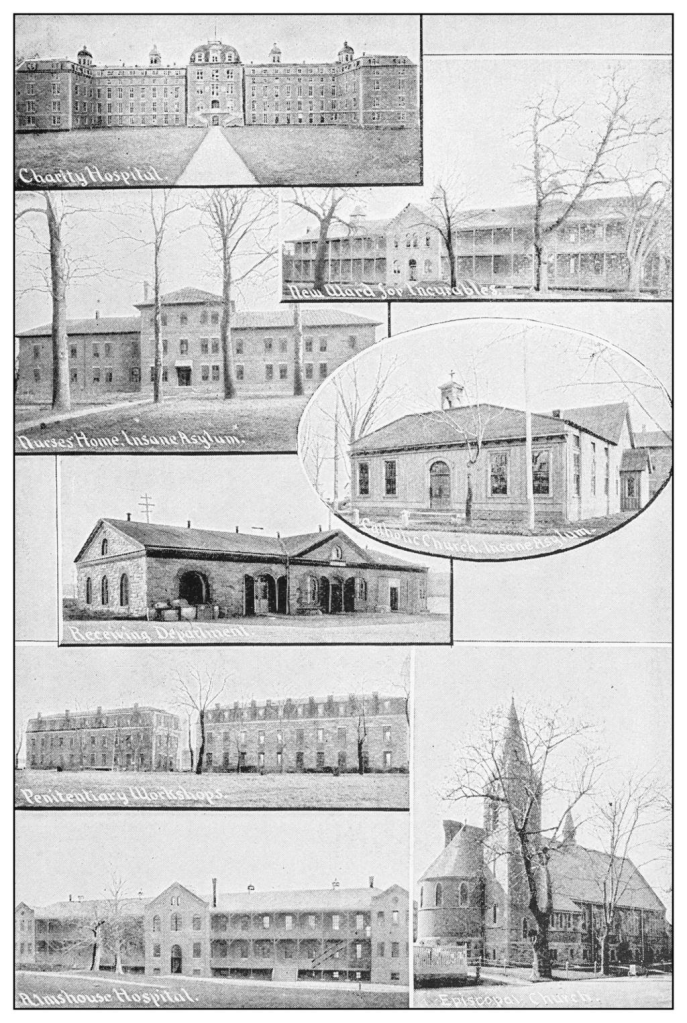
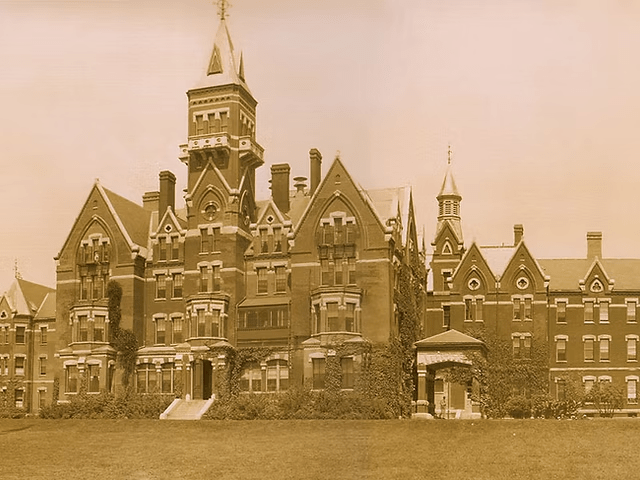
During the nineteenth century, mental asylums expanded rapidly across the United States and Europe. Many of these institutions were originally founded with good intentions. Reformers believed that people suffering from mental illness could benefit from structured environments, medical attention, and humane treatment.
However, the reality inside many of these institutions often looked very different from the ideal. Over time, asylums became overcrowded, underfunded, and poorly supervised. In many cases, women were admitted for reasons that had little to do with severe mental illness.
Understanding why women were sent to asylums in the 1800s reveals a great deal about the social expectations and medical beliefs of that era.
The Rise of the 19th-Century Asylum
During the early and mid-1800s, large public mental hospitals began appearing throughout the United States. Reformers such as Dorothea Dix advocated for better treatment of people with mental illness and pushed governments to establish dedicated institutions.
At first, many asylums were designed to provide peaceful environments where patients could rest, recover, and receive care. The idea was that quiet surroundings, regular routines, and compassionate treatment would help restore mental balance.
But as populations grew, these institutions quickly became overwhelmed. Facilities that were designed for a few hundred patients sometimes housed thousands. Overcrowding, lack of trained staff, and limited medical knowledge made it difficult to provide proper care.
Within this system, women were often particularly vulnerable.
Misunderstood Mental Health Diagnoses
Medical understanding of mental illness in the nineteenth century was extremely limited. Doctors frequently used broad and poorly defined diagnoses.
One of the most common labels applied to women was “hysteria.” This diagnosis could include a wide range of symptoms such as anxiety, mood swings, grief, emotional distress, or even behavior considered socially inappropriate.
In some cases, perfectly normal emotional reactions—such as mourning the loss of a child or experiencing postpartum depression—were interpreted as signs of mental instability.
Because medical science had few effective treatments at the time, many individuals diagnosed with these conditions were sent to long-term institutions.
Social Expectations for Women
Victorian society placed strict expectations on how women were supposed to behave. Women were expected to be obedient, calm, modest, and devoted to family life.
When women challenged those expectations, their behavior could sometimes be interpreted as evidence of instability or moral failure.
Historical records show that women were occasionally institutionalized for reasons such as:
- expressing strong emotions or anger
- resisting authority within the family
- refusing marriage or domestic roles
- pursuing independence that conflicted with social norms
While not every asylum admission was unjustified, these social pressures sometimes played a role in who was labeled “insane.”
Family Conflicts and Institutionalization
In the nineteenth century, families often had significant authority over whether someone could be admitted to an asylum. In certain situations, relatives could request that a woman be institutionalized if they believed she was unstable or difficult to manage.
This system could sometimes be misused during family conflicts, inheritance disputes, or marital disagreements. Without modern legal protections or psychological evaluations, it was easier than many people realize for someone to be committed to an institution.
Once admitted, patients often had limited ability to challenge their confinement.
Exposés That Revealed the Truth
By the late nineteenth century, journalists and reformers began investigating the conditions inside many asylums. One of the most famous investigations was conducted by journalist Nellie Bly.
In 1887, Bly intentionally had herself committed to an asylum in order to report on what she witnessed. Her experiences were later published in the book Ten Days in a Mad-House.
Her reporting revealed overcrowding, neglect, and harsh treatment of patients. The exposé shocked the public and led to reforms in several institutions.
Stories like Bly’s helped expose the reality that many patients—particularly women—were suffering inside systems that were supposed to help them.
Why This History Still Matters
The history of nineteenth-century asylums is complex. While some institutions attempted to provide compassionate care, others became places of confinement where vulnerable individuals were forgotten.
Understanding this history helps modern readers reflect on how societies define mental illness and how power structures can influence who is labeled “unstable.”
It also reminds us how far mental health care has evolved—and how important continued advocacy remains.
Historical Inspiration in Fiction
The realities of nineteenth-century mental institutions have inspired many works of historical fiction that explore the experiences of people living within those systems.
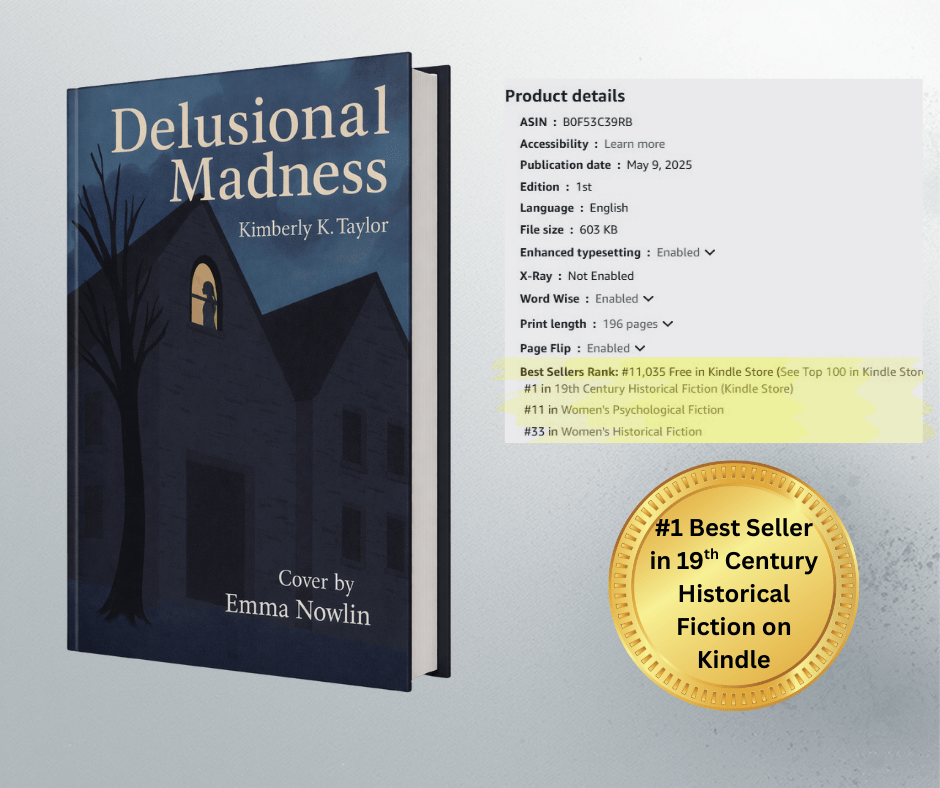
One such novel is Delusional Madness, which tells the story of a young woman confined inside a late-1800s asylum where many patients struggle to have their voices heard. Like many historical novels set in this period, the story draws inspiration from real accounts of institutional life and the women who lived through it.
Through both history and fiction, these stories help bring attention to voices that were often ignored in their own time.
Frequently Asked Questions
Were women really sent to asylums for minor reasons in the 1800s?
In some cases, yes. Historical records show that women could be institutionalized for emotional distress, postpartum depression, or behavior considered socially inappropriate during the Victorian era.
How easy was it to commit someone to an asylum in the 19th century?
Commitment laws varied by location, but family members or physicians often had significant influence in the process. Legal protections for patients were limited compared to modern standards.Were all 19th-century asylums abusive?
Not all institutions were abusive. Some reformers genuinely attempted to create humane environments for treatment. However, overcrowding, limited medical knowledge, and poor oversight often led to neglect or mistreatment.

 author--Kimberly K. Taylor--Author